Where is all this going?
The primary motivation for this project was mostly an exploration of technical mmo backend design problems exhibited in a game environment that has features that I found interesting or entertaining to me when I played similar games in the past.
I do not think I am contributing anything truly novel. Nor is the technical achievement noteworthy outside of the intrinsic value I find in it. Anyone else now can spin something up with no time nor effort and accomplish something similar. I'll outline some ambitions for the project as motivating design principles. Again, not because they are revolutionary, but because I am trying to address problems a game like this would have and is often a source of critique.
Open, asynchronous, collaborative systems
MMOs are all about players playing together with a shared game state. The more players the better, often relying on consistent player density for these systems to work. Smaller mmos (like this one), that will have 0's of players online at a time, have a problem in being able to adopt these systems as-is.
So one goal of this project is to build systems and features that are part of the game world that players can contribute to at anytime with or without direct collaboration.
The Market
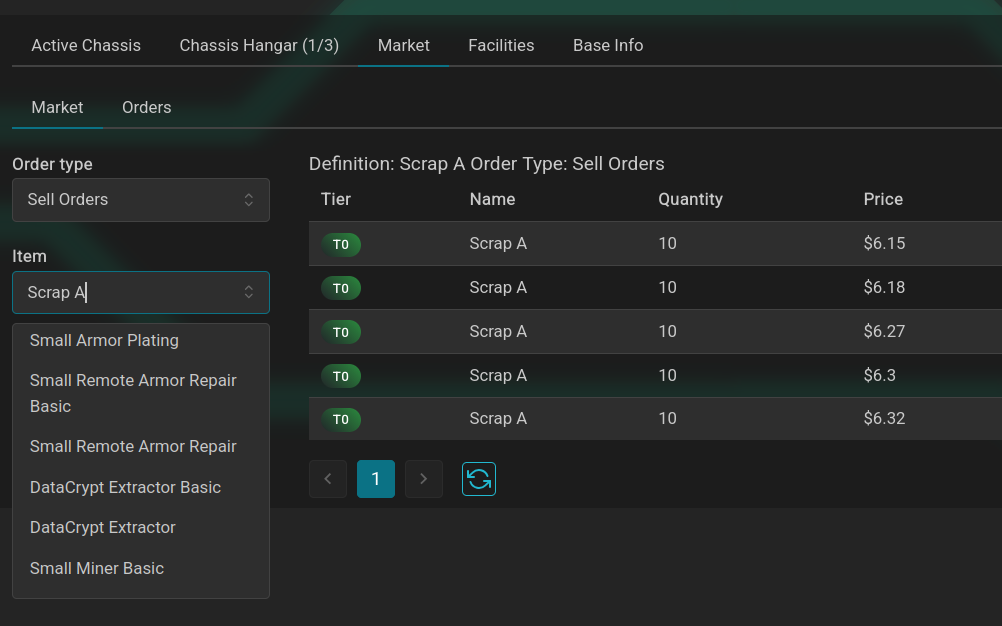
The first simple example is the market. Instead of requiring both parties to be online at the same time to directly trade, one can post an order of something to sell, and the buyer can show up later and buy it. This is not revolutionary, but many older fantasy mmos did not have things like this, so its not necessarily a default choice in the genre.
Control Nodes
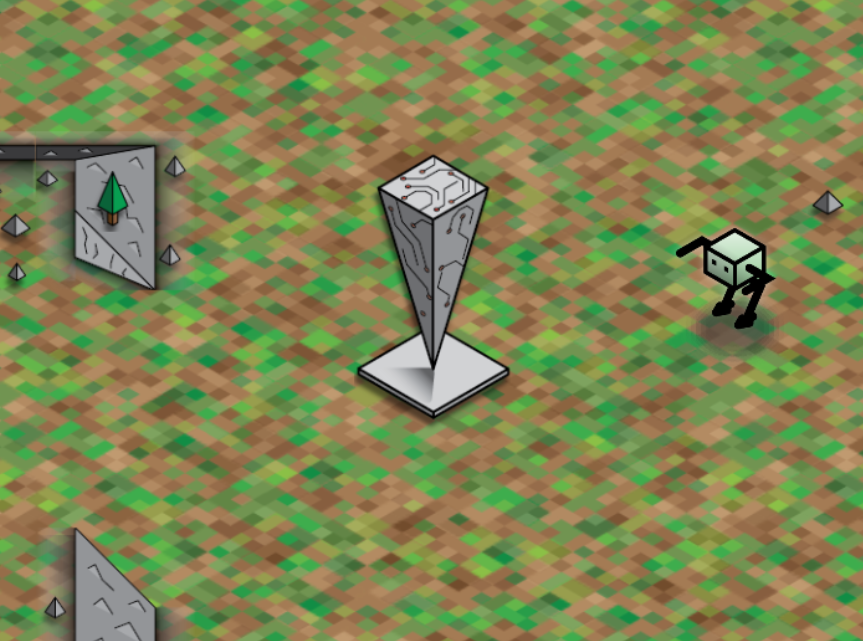
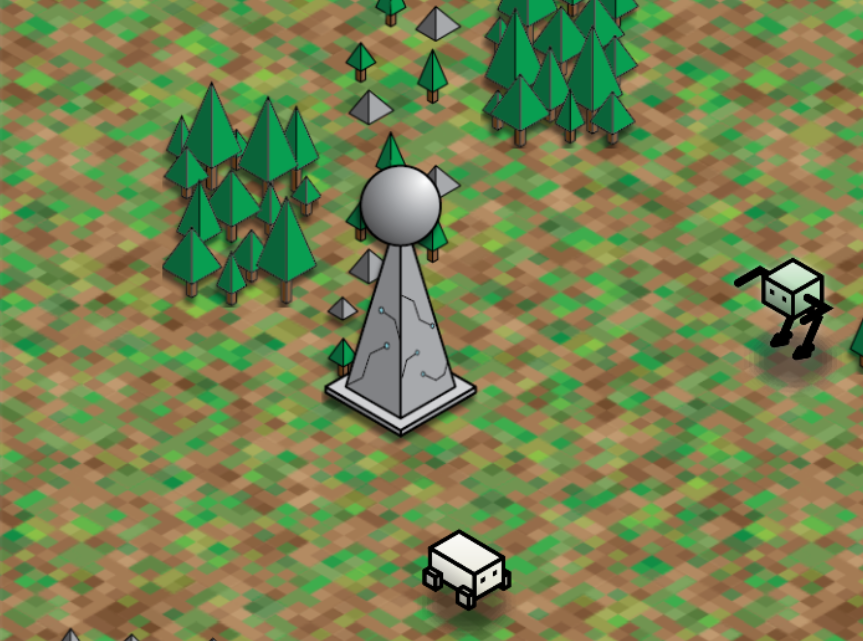
The next form of this is shared world infrastructure. This is still a roadmap idea being prototyped with the NPC and player built Control Nodes. These nodes any player can shoot, and build their own. The benefits of which are shared with everyone on the zone or within its effect proximity. In a way this is a layer of PVE faction warfare, where "control" of a zone is a matter of players knocking down NPC nodes and building their own, and defending them from NPC attack.
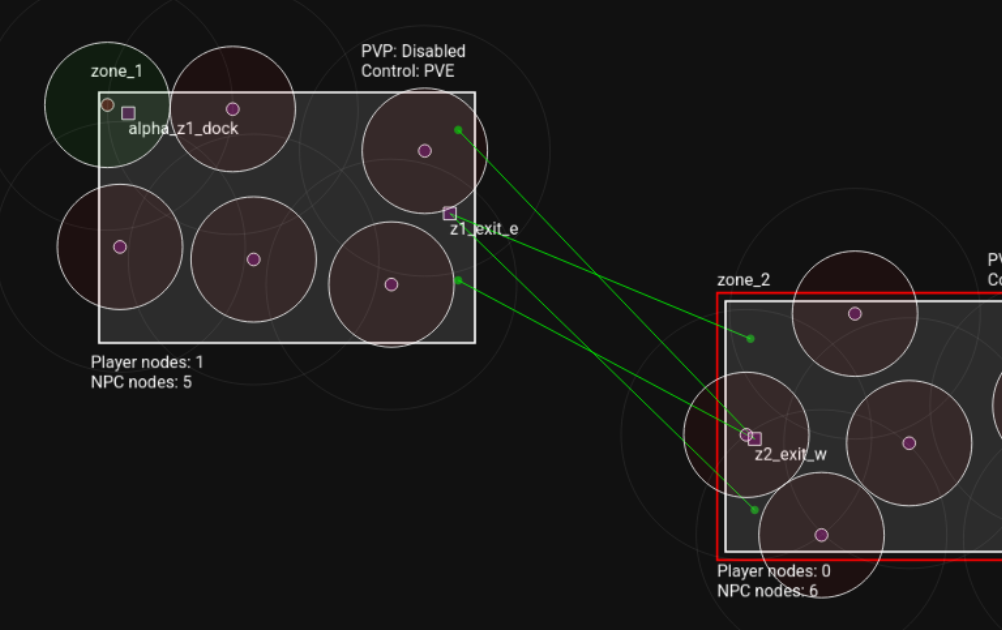
This does not require players to directly coordinate. Each part of this activity is available to players to contribute to, and benefit from, without direct collaboration. This idea will motivate additional features in the game world, but thats a topic for later.
NPC Backfill
So what happens if no one sells on the market? What happens if no one is around to defend your Control Nodes? Create systems that scale and calibrate to the level of activity.
What does this look like? For the market, this goes beyond seeded orders. Selling essentials to help players get started is one thing. But what if the player wants to be a miner, sell their ore in exchange for currency to purchase better equipment? You need synthetic buyers to engage with organic orders to create a floor of demand. No demand for ore; no game for the solo miner. Seeing this in many sandbox economies where its all player driven is amazing at massive scales, creating incredible price stability and driving activity. When it falls apart you quickly go into a negative feedback cycle. Ironically governments do this in some markets where it is essential that the suppliers remain solvent and continue operating.
This will continue being a strategy for other game systems, like resource abundance, respawn times, and others, with the general idea being that most things should be able to operate at 0 and scale up to accommodate non-zero players.
Making an undying mmo
Ultimately all mmos had 0 players at one point, and many will have again. The point is, is the game designed to continue operation at that level. If a player logs in, how diminished will their experience be, and can it be mitigated? If you have no marketing budget, you can't build with the expectation of 100's or 10's of players will be online to make it work as you intend.